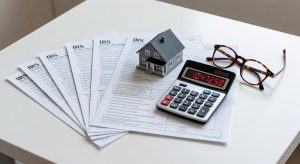
You negotiated a great purchase price, your rehab budget is dialed in, and then the settlement statement arrives with thousands of dollars you never accounted for. Real estate closing costs are the quiet margin killer, and they show up on both ends of every deal. At Real Estate Sales LLC, we teach investors to underwrite these numbers upfront so the closing table never produces a surprise.
Why Closing Costs Surprise New Investors
Buyers typically pay two to five percent of the purchase price in closing costs, and sellers often pay six to ten percent once agent commissions are included. On a two hundred thousand dollar flip, that can mean five thousand going in and eighteen thousand coming out. Investors who model only purchase price and rehab consistently overstate their profit by a wide margin.
Lender Fees and Points
If you are financing, expect an origination fee, underwriting and processing charges, and an appraisal. Hard money adds points, usually two to four percent of the loan amount, charged at closing. Points are real money and belong in your deal analysis, not in a footnote. Always request a written fee sheet before you commit to a lender.
Title and Escrow Charges
Title insurance protects against ownership claims that surface after you buy, and the lender’s policy is mandatory when you finance. The owner’s policy is optional but worth every dollar on distressed property. Add escrow or settlement fees, a title search, and courier charges. In some states these costs are negotiable between buyer and seller, so ask rather than assume.
Prepaids and Escrow Reserves
These are not fees, but they still come out of your pocket at closing. Lenders collect prepaid interest for the remainder of the closing month, a full year of hazard insurance in advance, and several months of taxes and insurance to seed the escrow account. On a property with high property taxes, reserves alone can exceed every other line item combined.
Transfer Taxes and Recording Fees
Counties and cities charge to record the deed and the mortgage, and many jurisdictions impose a transfer or documentary stamp tax based on the sale price. These vary enormously by location. Some markets charge almost nothing, while others take more than one percent of the purchase price. Check local rates before you underwrite a deal in an unfamiliar county.
Reading the Closing Disclosure Line by Line
Request the settlement statement at least a day before closing and read every line. Look for duplicate fees, junk charges with vague names, and amounts that do not match your loan estimate. Errors are common, and they get corrected far more easily before the wire is sent than after. Ask about anything you do not recognize.
Know Your Numbers Before You Sign
At Real Estate Sales LLC, our Flip Cheap Houses™ program teaches you to build complete deal analyses that account for real estate closing costs on both sides of the transaction. Real profit is what remains after the settlement statement, not what looked good on the offer.
Visit FlipCheapHouses.com to learn how to analyze deals down to the last dollar!