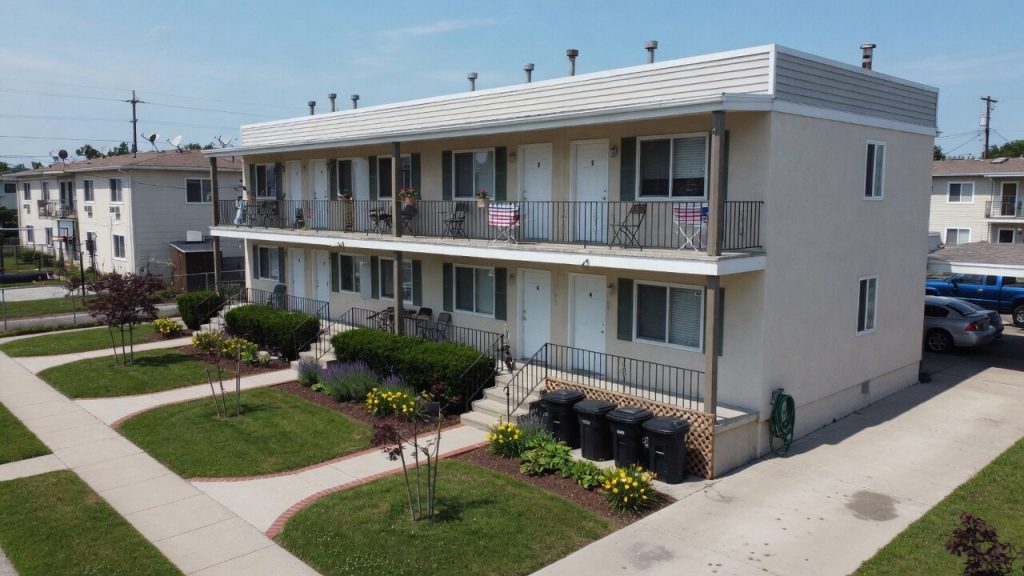
Mention government-assisted tenants to a room of landlords and you will get strong opinions in both directions. Section 8 rentals come with guaranteed portions of rent and a waiting list of applicants, alongside inspections and paperwork that some owners refuse to tolerate. At Real Estate Sales LLC, we think the program deserves an honest look rather than secondhand opinions.
How the Voucher Program Works
The Housing Choice Voucher program is federally funded and administered by local housing authorities. A qualifying tenant receives a voucher covering part of their rent, and the authority pays that portion directly to you each month. The tenant pays the remainder, usually calculated at about thirty percent of their adjusted income.
The Reliable Payment Advantage
The subsidized portion arrives by direct deposit on schedule regardless of whether your tenant had a hard month. In many markets that covers the majority of the rent. During economic downturns, when private-pay tenants fall behind, this income stream tends to hold steady, which is why some investors deliberately build a mix of voucher and market units. Payments continue even when a tenant loses a job, which is exactly when private-pay rent stops.
Payment Standards and Market Rent
Each authority publishes a payment standard by bedroom count, based on fair market rent for the metro area. In lower-priced neighborhoods that standard can exceed what you would collect from a private tenant. In expensive areas it falls well short. Look up your local standards before assuming the program helps or hurts your returns.
The Inspection You Must Pass
Units must meet housing quality standards before the first payment and periodically afterward. Inspectors check smoke detectors, handrails, window locks, peeling paint, working outlets, and heat. Deferred maintenance that a private tenant tolerates will fail here. Investors who keep properties in genuinely good repair find the inspections routine rather than burdensome. Schedule your own walkthrough a week before the inspector arrives and fix the obvious items yourself.
Screening Still Belongs to You
A voucher confirms income eligibility, nothing more. You retain the right and the responsibility to screen for rental history, criminal background where permitted, and prior evictions. Skipping your own screening because the government approved the applicant is the mistake that produces the horror stories other landlords repeat.
The Real Drawbacks
Onboarding takes time, often thirty to sixty days between application and first payment. You will manage more paperwork and an annual recertification. Rent increases require approval and follow the authority’s timeline, not yours. And in some jurisdictions, refusing voucher holders is illegal, so understand your local source-of-income rules either way.
Build a Rental Portfolio That Performs
At Real Estate Sales LLC, our Flip Cheap Houses™ program helps you evaluate whether Section 8 rentals belong in your portfolio based on your market’s numbers, not on anecdotes.
Visit FlipCheapHouses.com to learn how to build dependable rental income!