Foreclosures and bank-owned (REO) properties are some of the best opportunities in real estate investing. Banks want to get these properties off their books quickly, which means motivated sellers and below-market prices. At Real Estate Sales LLC, we help investors navigate this niche and turn distressed bank assets into profitable deals.
Understanding the Foreclosure Process
Foreclosure happens when a homeowner falls behind on mortgage payments and the lender takes back the property. The process varies by state but generally includes pre-foreclosure, auction, and REO stages. Each stage offers different opportunities — and different risks — for investors.
Pre-Foreclosure: The Early Bird Opportunity
During pre-foreclosure, the homeowner still owns the property but is in default. This is often the best time to negotiate directly with the homeowner, who may be willing to sell at a discount to avoid the damage of a full foreclosure on their credit. Short sales — where the bank agrees to accept less than what is owed — also happen during this stage.
Auction Sales: High Risk, High Reward
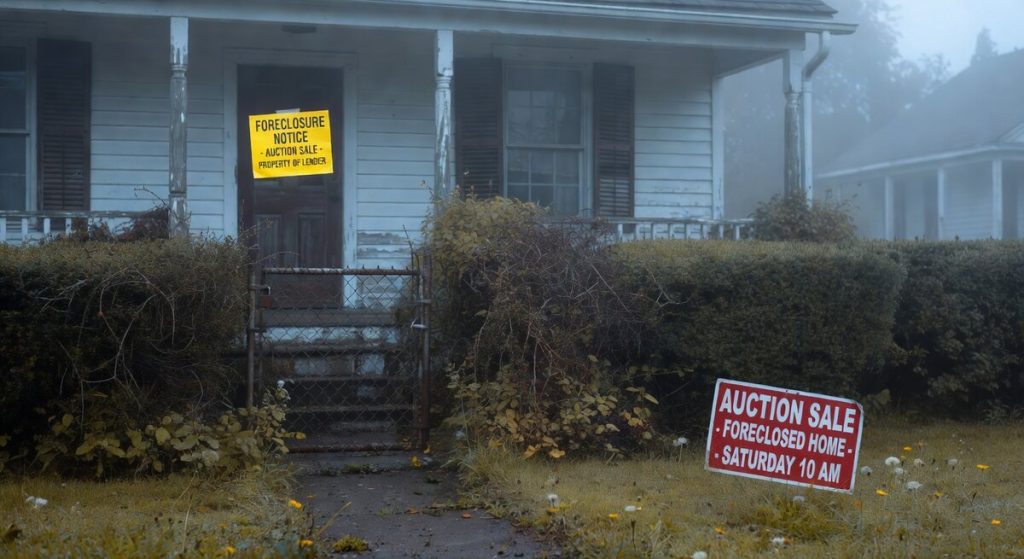
Foreclosure auctions (trustee sales or sheriff sales) can offer the deepest discounts, but they come with significant risks. Properties are typically sold as-is with no inspection period, title issues may exist, and you often need to pay cash on the spot. This stage is best suited for experienced investors who understand the risks.
REO Properties: The Safest Entry Point
After a property fails to sell at auction, it becomes Real Estate Owned (REO) — the bank now owns it. REO properties are listed through real estate agents, can be inspected before purchase, and come with clear title. This is the most beginner-friendly way to buy foreclosures.
Where to Find Foreclosures
Search for foreclosures on bank websites, HUD Home Store (for FHA foreclosures), Fannie Mae HomePath, Freddie Mac HomeSteps, and local county courthouse records. Your real estate agent should also have access to REO listings through the MLS.
Due Diligence Is Everything
Always research the property thoroughly before buying. Check for liens, back taxes, code violations, and title issues. Get a professional inspection whenever possible. Run your numbers conservatively — foreclosures often need more work than they appear to need from the outside.
Financing Foreclosures
REO properties can often be financed with conventional loans, FHA 203(k) rehab loans, or hard money. Auction purchases typically require cash or proof of funds. Have your financing lined up before you start making offers so you can move quickly when the right deal appears.
Find Foreclosure Deals with Us
At Real Estate Sales LLC, we teach our students how to find, evaluate, and profit from foreclosures at every stage. Our Flip Cheap Houses™ system includes strategies specifically designed for acquiring bank-owned properties at the best possible prices.
Visit FlipCheapHouses.com to start finding foreclosure deals!