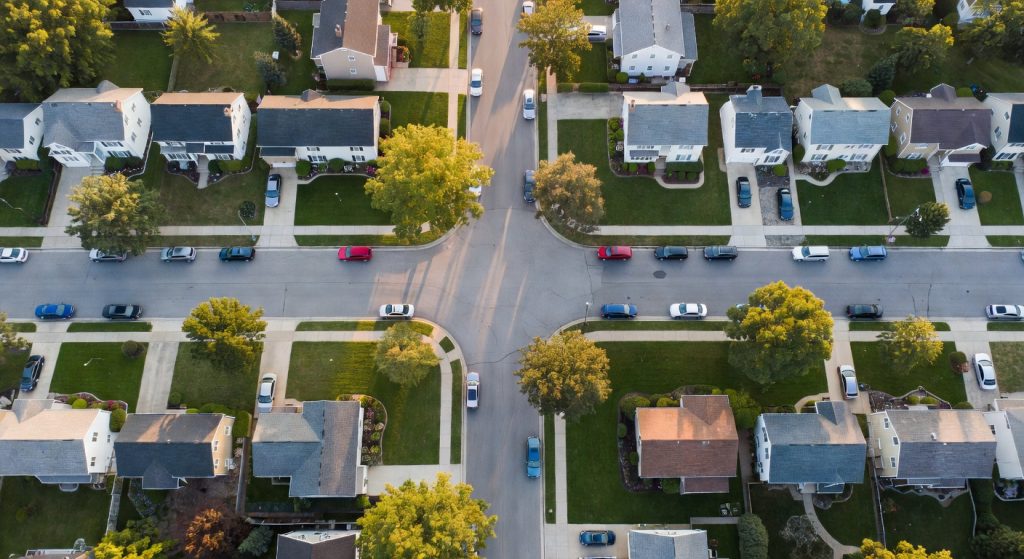
Why Neighborhood Analysis Is Critical
You have probably heard the old saying: location, location, location. In real estate investing, those three words are more than a cliche — they are the single most important factor that determines whether your investment succeeds or fails. You can buy the right property at the right price, but if it is in the wrong neighborhood, you will struggle to sell it, rent it, or profit from it.
Neighborhood analysis is the process of evaluating an area before committing your money. It goes beyond just driving through the streets. It involves studying demographics, market trends, crime statistics, school ratings, and economic indicators to determine whether an area is on the rise, holding steady, or declining.
At Real Estate Sales LLC, we teach our investors that thorough neighborhood analysis is non-negotiable. Here is how to do it right.
The Drive-Through Test
Before you pull up any data, start with your eyes. Drive through the neighborhood at different times of day — morning, afternoon, and evening. Each time reveals different things.
What to look for:
Property condition. Are the homes well-maintained? Look at roofs, siding, landscaping, and driveways. A neighborhood where most homeowners take pride in their properties is a good sign. Widespread neglect suggests declining values.
Vacancy rates. Count the number of vacant or boarded-up properties. A few vacancies are normal. A high concentration signals problems — potentially high crime, poor schools, or a weak rental market.
Infrastructure. Are the roads in good condition? Are there sidewalks, street lights, and well-maintained public spaces? Local government investment in infrastructure often correlates with stable or rising property values.
Commercial activity. What businesses are nearby? A mix of grocery stores, restaurants, and retail indicates a healthy local economy. An abundance of payday lenders, liquor stores, and vacant storefronts tells a different story.
New construction. Are builders putting up new homes or commercial buildings? New construction is one of the strongest indicators that developers — people who study markets professionally — believe the area has growth potential.
Studying the Numbers
Once you have a feel for the neighborhood, it is time to dig into the data.
Comparable sales (comps). Look at what similar properties have sold for in the past six to twelve months. Are prices trending up, flat, or declining? Comps tell you what the market is actually willing to pay, which is critical for estimating your ARV and potential profit.
Days on market. How long are properties sitting before they sell? A low average (under 30 days) indicates strong demand. A high average (over 90 days) suggests buyers are not excited about the area — which means you might have trouble selling your flip or finding tenants.
Price per square foot. This metric allows you to compare properties of different sizes on an even playing field. Track price per square foot trends over time to identify whether the neighborhood is appreciating or stagnating.
Rental rates. If you are considering a buy-and-hold strategy, rental rates determine your cash flow. Research current rents for comparable properties and calculate whether the numbers work after accounting for your mortgage, taxes, insurance, maintenance, and vacancy.
Demographics and Economic Indicators
Population growth. Is the population increasing or decreasing? Growing populations drive demand for housing, which supports property values and rental rates. Shrinking populations have the opposite effect.
Employment. What are the major employers in the area? Is the local economy diversified, or does it depend on a single industry or company? Areas with diverse employment bases are more resilient to economic downturns.
Income levels. Median household income tells you about the buying power of potential tenants and homebuyers in the area. Higher incomes generally support higher property values and rents.
Age distribution. Neighborhoods with a younger population tend to have more renters, while areas with established families tend to have more homeowners. Understanding the demographics helps you match your investment strategy to the market.
Schools, Crime, and Quality of Life
School ratings. Even if you are not investing for families, school quality has a massive impact on property values. Homes in highly rated school districts consistently sell for more and appreciate faster than similar homes in poorly rated districts.
Crime statistics. High crime rates suppress property values and make it harder to attract quality tenants. Check local crime maps and police reports. Look for trends — is crime increasing or decreasing?
Walkability and amenities. Proximity to parks, public transportation, shopping, and entertainment matters. Younger renters and homebuyers increasingly prioritize walkable neighborhoods with convenient access to amenities.
Identifying Up-and-Coming Neighborhoods
The biggest profits in real estate often come from investing in neighborhoods that are on the verge of growth — before everyone else catches on. Here are signs that an area may be poised for appreciation:
Artists and coffee shops. It sounds cliché, but creative communities and independent businesses are often early indicators of neighborhood revitalization. They move into affordable areas, create culture, and attract other residents and businesses.
Government investment. New infrastructure projects, transit expansions, park improvements, and zoning changes often signal that the local government is investing in the area’s future.
Declining crime rates. Even if crime is still higher than average, a consistent downward trend suggests the neighborhood is improving.
Increasing permit activity. A surge in building permits — especially for renovations and new construction — indicates that other investors see potential in the area.
Red Flags to Watch For
Not every affordable neighborhood is a diamond in the rough. Here are warning signs that an area may be a risky investment:
Major employer closures. If the largest employer in town is shutting down or downsizing, property values are likely to follow.
Persistent high vacancy rates. Some vacancy is normal, but consistently high vacancy rates suggest structural problems that are unlikely to resolve quickly.
Environmental issues. Flood zones, contaminated soil, and proximity to industrial waste can create liability issues and suppress property values.
Declining population. If people are leaving and not being replaced, demand for housing will drop along with prices.
Putting It All Together
No single factor should make or break your investment decision. The best investors evaluate neighborhoods holistically, weighing the positives against the negatives and looking for areas where the overall trajectory is positive.
Create a simple scorecard for each neighborhood you evaluate. Rate each factor — property condition, comps, demographics, schools, crime, economic indicators — on a scale of one to five. This helps you compare neighborhoods objectively and avoid making emotional decisions.
Learn From the Experts
Neighborhood analysis is a skill that improves with experience. At Real Estate Sales LLC, our mentoring program teaches you how to evaluate markets, find deals in the right areas, and avoid costly mistakes. Our coaches have decades of combined experience investing in markets across the country.
Want to learn more? Join our free Flip Cheap Houses webinar and discover how our students are finding profitable deals in markets nationwide.