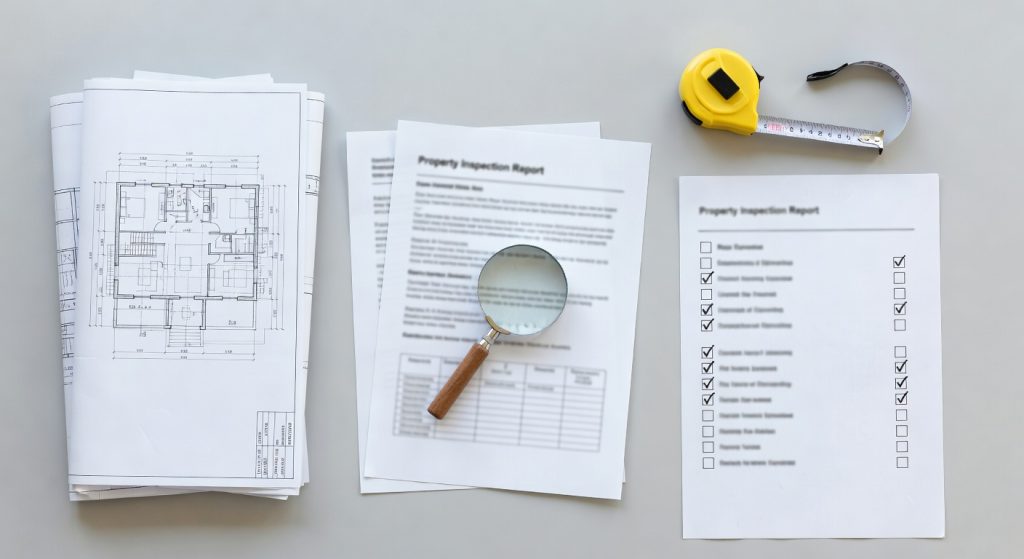
Due Diligence Matters More Now Than Ever
During the real estate frenzy of 2020-2021, many investors got sloppy. They waived inspections, skipped title searches, and made offers based on outdated comps. When every property seemed like a winner, the consequences of cutting corners were masked by rapid appreciation. A $10,000 mistake was erased by a $30,000 price increase.
Those days are over. In a shifting market, there is no rising tide to bail you out. Every mistake costs you real money. Due diligence — the thorough investigation of a property before you commit to buying it — is the single most important discipline that separates profitable investors from those who lose their shirts. At Real Estate Sales LLC, we never let our students skip this critical step.
The Complete Due Diligence Checklist
Property Inspection
A professional property inspection is non-negotiable. Even if you are an experienced investor who can identify most issues yourself, a licensed inspector catches things you might miss — and provides documentation that protects you legally.
What to inspect:
- Structural integrity — foundation cracks, settling, bowing walls
- Roof condition — age, leaks, remaining lifespan
- Plumbing — pipe material, water pressure, sewer line condition (scope the sewer)
- Electrical — panel capacity, wiring type, code compliance
- HVAC — age, condition, efficiency
- Water damage and mold — especially in basements, crawl spaces, and around windows
- Pest damage — termites, carpenter ants, rodents
- Environmental hazards — asbestos, lead paint, radon
In a shifting market, do not skip or rush inspections. The cost of a thorough inspection ($400 to $800) is trivial compared to the cost of a surprise foundation issue ($20,000+) or a failing sewer line ($10,000+).
Title Search and Review
A clear title is essential for a successful transaction. The title search identifies liens, encumbrances, easements, and ownership issues that could affect your investment.
Key things to verify:
- The seller has legal authority to sell the property
- All existing liens (mortgages, tax liens, mechanic’s liens, judgment liens) are identified and accounted for
- There are no unresolved boundary disputes or encroachments
- Easements do not materially affect the property’s use or value
- The chain of title is clean — no missing or improperly recorded documents
Always purchase title insurance. The one-time premium protects you against title defects that the search did not uncover — a small price for significant peace of mind.
Comparable Sales Analysis
In a shifting market, comps require extra scrutiny. Prices from three to six months ago may overstate current values if the market has declined. Conversely, pending sales and recent contracts may reflect the current market more accurately than closed sales.
Best practices for shifting market comps:
- Use the most recent sales — prioritize the last 30 to 60 days over older data
- Check active listings — these represent your competition and set the ceiling for current pricing
- Monitor pending sales — these indicate what buyers are actually willing to pay right now
- Track days on market — increasing DOM signals declining demand
- Adjust for market direction — if values are declining, reduce your ARV estimate accordingly
Renovation Cost Verification
Get detailed, written estimates from contractors before finalizing your offer. In a shifting market, you cannot afford to guess at renovation costs. Include a 15 to 20 percent contingency for unexpected issues — because there are always unexpected issues.
Get multiple bids. At least three contractors should bid on the scope of work. This ensures you are getting fair pricing and identifies outliers.
Verify contractor availability. Confirm that your contractor can start when you need them to and complete the work on your timeline. Delays cost money — especially when you are paying hard money interest rates.
Financial Analysis
Run your numbers conservatively:
For flips: Calculate your maximum allowable offer using the 65 percent rule (ARV × 65% – repair costs). Include holding costs at current interest rates for the expected timeline plus two extra months. Model a scenario where you sell for 5 to 10 percent below your target ARV — does the deal still work?
For rentals: Calculate cash flow at current mortgage rates plus one point. Assume 8 to 10 percent vacancy (not the 3 to 5 percent of the boom years). Budget for maintenance at 1 percent of property value annually. If the property cash-flows under these conservative assumptions, it is a solid acquisition.
Market and Neighborhood Analysis
Verify that the local market supports your strategy:
- Employment trends — is the local job market stable or declining?
- Population trends — is the area growing or shrinking?
- Supply pipeline — is new construction adding inventory that will compete with your property?
- Rental vacancy rates — are vacancies increasing?
- Crime trends — is the area improving or deteriorating?
Red Flags That Should Stop a Deal
Foundation issues. Structural problems are the most expensive to fix and the hardest to predict accurately. Unless you have extensive experience with foundation work, major structural issues should be a deal-killer.
Environmental contamination. Properties near industrial sites, gas stations, or dry cleaners may have soil or groundwater contamination. Remediation costs can exceed the property’s value.
Unresolvable title issues. If the title search reveals significant problems that cannot be resolved before closing — missing heirs, forged documents, unresolved liens — walk away.
Declining neighborhood fundamentals. If the local economy is contracting, major employers are leaving, and population is declining, even a great deal on an individual property may not be wise.
Numbers that only work with optimistic assumptions. If the deal requires everything to go perfectly — maximum ARV, minimum repair costs, fastest possible timeline — it is not a deal. Good deals work even when things go wrong.
Discipline Is Your Edge
In a hot market, undisciplined investors can get lucky. In a shifting market, only disciplined investors survive. Due diligence is not glamorous work — it is methodical, detail-oriented, and sometimes tedious. But it is the foundation of every successful investment career.
At Real Estate Sales LLC, discipline and thorough analysis are core principles of our mentoring program. We teach our students to approach every deal with rigor and make decisions based on data, not emotion.
Ready to invest the right way? Register for our free Flip Cheap Houses webinar and learn the process that protects our investors from costly mistakes.